

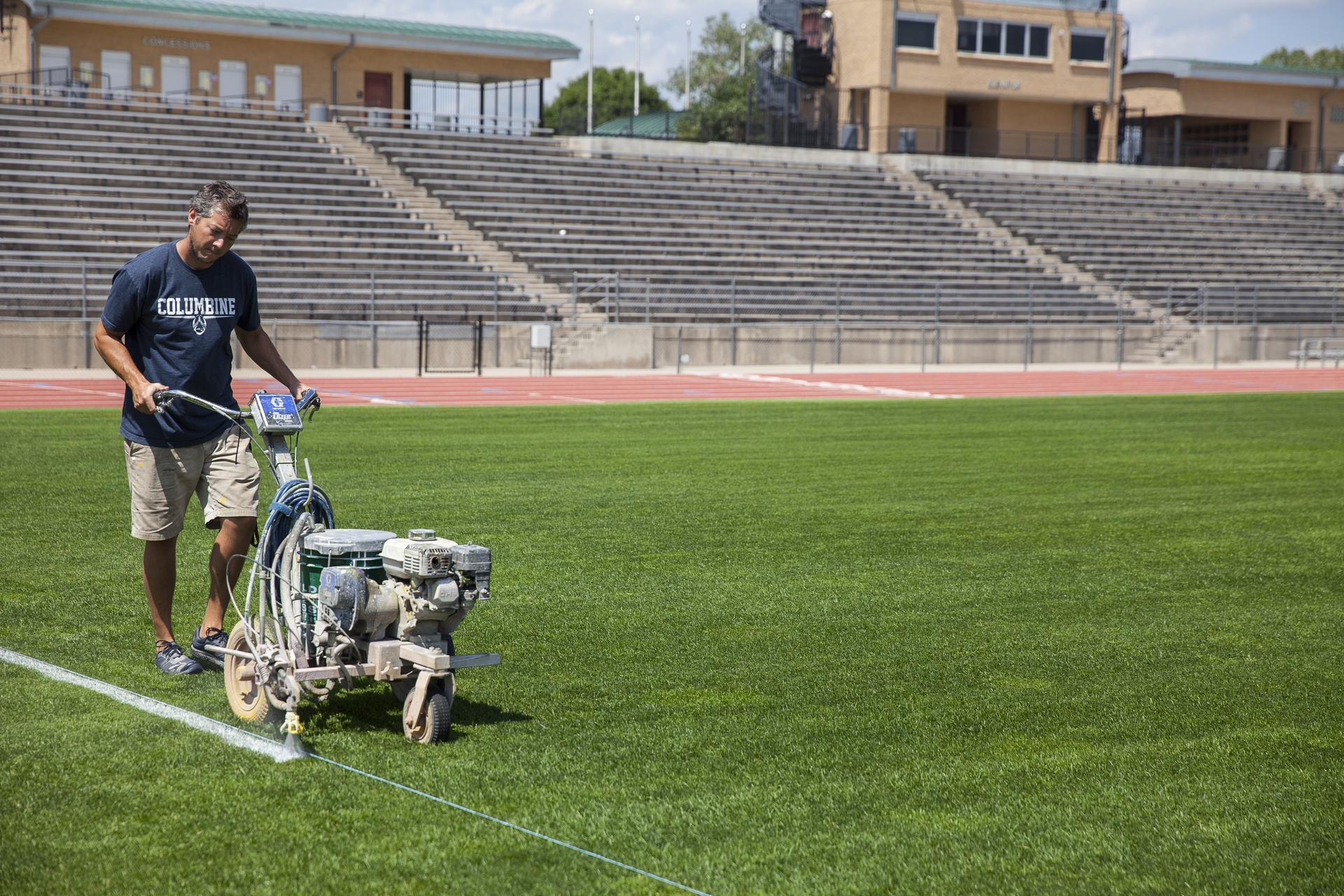
September marks a busy transition period for sports fields. With fall seasons underway, increased practices and games put added stress on turf systems. A proactive maintenance approach can help ensure fields remain safe, playable and ready for athletes throughout the season.
Balise Restifo, Assistant Director of Turf and Grounds for the U.S. Soccer Federation, recommends focusing on four key areas when evaluating field performance this month: safety, irrigation, drainage and communication.
1. Prioritize Field Safety
Player safety should always be the top priority. Regular field inspections can help identify potential issues before they become hazards.
“Player safety is always at the top,” says Restifo. “We want to prioritize player safety at all costs.”
Walk fields routinely to check for:
- Uneven playing surfaces
- Poor turf coverage or worn areas
- Potential trip hazards
- Damaged equipment or infrastructure
- Areas impacted by heavy use
- Inspect irrigation heads for proper coverage and operation
- Monitor soil moisture levels regularly
- Adjust watering schedules based on weather conditions and field usage
- Address leaks or inefficient zones quickly
A safe field starts with consistent monitoring and proactive maintenance. Identifying concerns early allows grounds teams to address issues before they impact athletes.
2. Evaluate Irrigation Performance
Proper irrigation management plays a critical role in maintaining healthy, resilient turf. Weekly system checks and ongoing moisture monitoring can help ensure fields receive the right amount of water based on conditions and usage.
“Turf irrigation performance can be done through weekly checks of the system and constant monitoring of moisture to allow for optimal field performance,” says Restifo.
During September, grounds teams should:
A well-managed irrigation system supports turf health while helping maintain a safe and playable surface throughout the season.
3. Check Drainage and Weather Readiness
A field’s ability to handle changing weather conditions starts with proper drainage. Fields designed and maintained with effective drainage systems are better equipped to recover after rain events and return to playable conditions faster.
“Having a field built with proper drainage can help ensure a safe, playable field,” says Restifo. “If there is a weather issue, the field is able to withstand the rain and still be playable once the rain has stopped.”
As fall weather patterns shift, inspect drainage areas and monitor how fields respond after rainfall. Identifying problem areas early can help prevent extended closures and field damage.
4. Strengthen Communication Between Coaches and Grounds Teams
Communication between coaches, staff and grounds crews is essential for maintaining high-performing fields.
“Communication between coaches and staff is paramount,” says Restifo. “It helps build relationships between the two parties and creates a positive working environment.”
Understanding practice schedules, game calendars and field usage allows field teams to create a more effective maintenance plan. It also helps crews manage wear patterns and rotate activities to prevent excessive damage to specific areas.
“Proper communication allows the ground crew to understand coaches’ and staff’s needs and assists the field crew in helping coaches rotate to different areas so wear does not deteriorate a spot on the field,” says Restifo.
Open communication helps grounds teams better support coaches’ needs while protecting the long-term health of the playing surface.
5. Maintain a Consistent Daily Maintenance Routine
Small daily tasks can make a big impact on field performance. Regular maintenance practices, including fertility management, mowing and general field upkeep, help maintain a quality playing surface throughout the season.
“Understanding practice schedules assists in building out a proper maintenance plan to include cultural practices, fertility and overall daily maintenance to ensure the surface is high performing for the athletes,” says Restifo.
Before the busy fall schedule ramps up, review your maintenance plan and make sure your team has the tools, products and processes needed to keep fields performing throughout the season.
A proactive approach in September can help sports fields stay safe, durable and ready for athletes all season long.

