

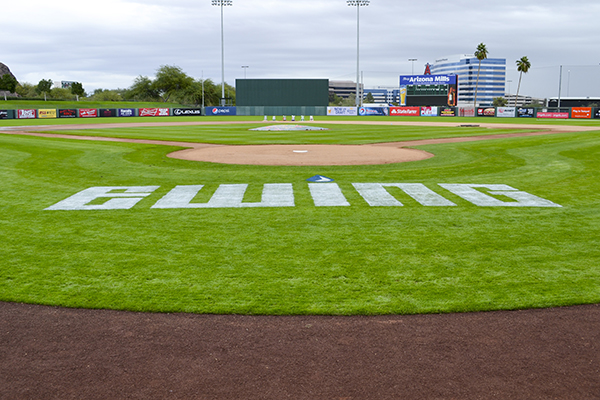
Spring is finally here. After months of snow, ice, and frozen ground, it’s time to get the fields back in shape. Anyone who works in turf knows this: winter takes a toll, and if you don’t handle the transition right, your season starts on shaky ground.
For me, spring prep is about assessing the damage, fixing the problems, and giving the turf the best chance to thrive. It’s not just mowing and fertilizing; it’s a mix of experience, timing, and attention to detail. As Ewing's Regional Turf and Ornamental Sales Manager, who works directly with grounds crews and field managers, here's my approach each year.
Step 1: Walk the Field and Clean Up
First things first: walk the field. Pick up branches, trash, leftover nets—anything that could interfere with play. Winter isn’t kind to sports fields, and sometimes damage isn’t obvious at first glance.
I pay special attention to:
- Thin or bare spots
- Areas with snow mold
- Low spots or uneven areas caused by frost or ice
One thing I always notice: the more you pay attention now, the less time you spend putting out fires later. I make notes of trouble spots so I can track progress as the season goes on.
Step 2: Aerate and Loosen the Soil
Winter compacts soil, especially in high-traffic areas. I usually start with a core aerator to pull plugs out of the ground. This helps roots breathe, lets water and nutrients sink in, and gets the turf growing faster.
Aeration also gives me the chance to overseed worn spots. A little extra grass seed in the right areas goes a long way, especially before the season gets busy.
Step 3: Test the Soil
You can’t guess what the soil needs. I test every field in the spring for nitrogen, phosphorus, potassium, and pH levels to see exactly what the turf needs. Once I know what’s missing, I fertilize accordingly. Over-fertilizing is a common mistake I see, and it doesn’t help anyone.
Along with fertilization, I apply a pre-emergent weed control in early spring. Getting ahead of weeds keeps the grass healthy and gives it a strong start before the athletes hit the field.
Step 4: Check Drainage
Standing water is a big problem after winter. Low spots, compacted soil, or blocked drains can quickly turn into muddy, unsafe areas. I walk the field looking for trouble spots, sometimes even using a small probe to check the soil.
Even small drainage repairs now make a big difference later in the season. Nothing’s worse than a soggy penalty area or a muddy base path right before opening day.
Step 5: Mow, Roll, and Level
Once the grass starts growing, I mow at the proper height because cutting too short too soon is a rookie mistake. Rolling the field and leveling minor bumps ensures the surface is safe. Players notice subtle uneven spots more than you’d think.
Consistency is key here. A regular mowing schedule throughout spring sets the tone for the rest of the season.
Baseball vs. Soccer: Different Fields, Different Focus
Not all fields are created equal, and how you prep them depends a lot on the sport. Here’s what I focus on for baseball fields versus soccer fields:
Baseball fields:
- Infield dirt grading and leveling
- Repairing mounds and batter’s boxes
- Compaction along base paths
- Removing lips between grass and dirt
Soccer fields:
- Uniform grass height across the entire field
- Even surface for ball roll
- Extra attention to drainage
- Repairing penalty areas and high-traffic zones
I’ve seen crews try to prep a baseball field like a soccer field or vice versa, and it just doesn’t work. Knowing the sport changes how you prioritize work.
Essential Tools I Rely On
Having the right tools makes spring prep faster and more effective. Here are the essentials I rely on to get fields ready for the season:
- Core aerator
- Overseeder or slit seeder
- Topdresser
- Reel or rotary mower
- Field roller
- Soil probe/test kit
- Line striping machine
Using these tools correctly not only saves time, it also helps the turf recover faster and stay healthier throughout the season.
Weather Makes or Breaks Your Schedule
Spring weather is unpredictable, and it can throw a wrench in your plans at any moment. Wet fields can delay aeration and mowing, late frosts can hold up seeding, and heavy rain can compact soil or cause drainage issues. Even fertilizer timing depends on the temperature.
That’s why flexibility is key. I always plan my schedule, but I leave room to adjust on the fly. Weather will throw curveballs, and being ready to pivot is what keeps a field in top shape.
Common Mistakes I See
Even seasoned grounds crews can stumble sometimes. Over the years, I’ve noticed a few mistakes that keep popping up:
- Starting prep too early when the soil is still too wet
- Skipping soil tests
- Over-fertilizing
- Ignoring drainage problems
- Cutting grass too short too soon
Steering clear of these mistakes makes a big difference. It keeps the turf healthy and the field safe and playable all season.
Tips for Keeping Fields Safe Throughout the Season
Once the season starts, field prep doesn’t take a break. I stick to a few routines that help keep everything in top shape:
- Rotating high-traffic areas to prevent worn spots
- Inspecting fields for holes or uneven areas
- Maintaining a consistent mowing schedule
- Monitoring moisture levels
- Addressing small issues immediately
Even a small problem left unchecked can turn into a safety hazard in no time. Staying on top of the details pays off all season long.
New Tools and Techniques
Technology has made field prep a lot more precise and efficient. These are some of the tools and innovations I rely on to make the work easier and the fields better:
- GPS-guided field painting
- Soil moisture sensors
- Hybrid turf systems
- Growth blankets for early recovery
- Data-driven turf management apps
These tools give us real insight instead of guesswork. They help the fields recover faster, save time, and make sure everything’s in top shape for the start of the season.
The Reward
For me, the most rewarding part is opening day. Walking onto a smooth, green, and safe field is what makes all the prep worth it. Seeing athletes perform comfortably and knowing millions of fans can enjoy the game is what keeps me passionate about this work. There’s nothing like it.

